



Why Is My Dog Scratching More This Fall? Brownsville Humidity & Flea/Allergy Spikes Explained
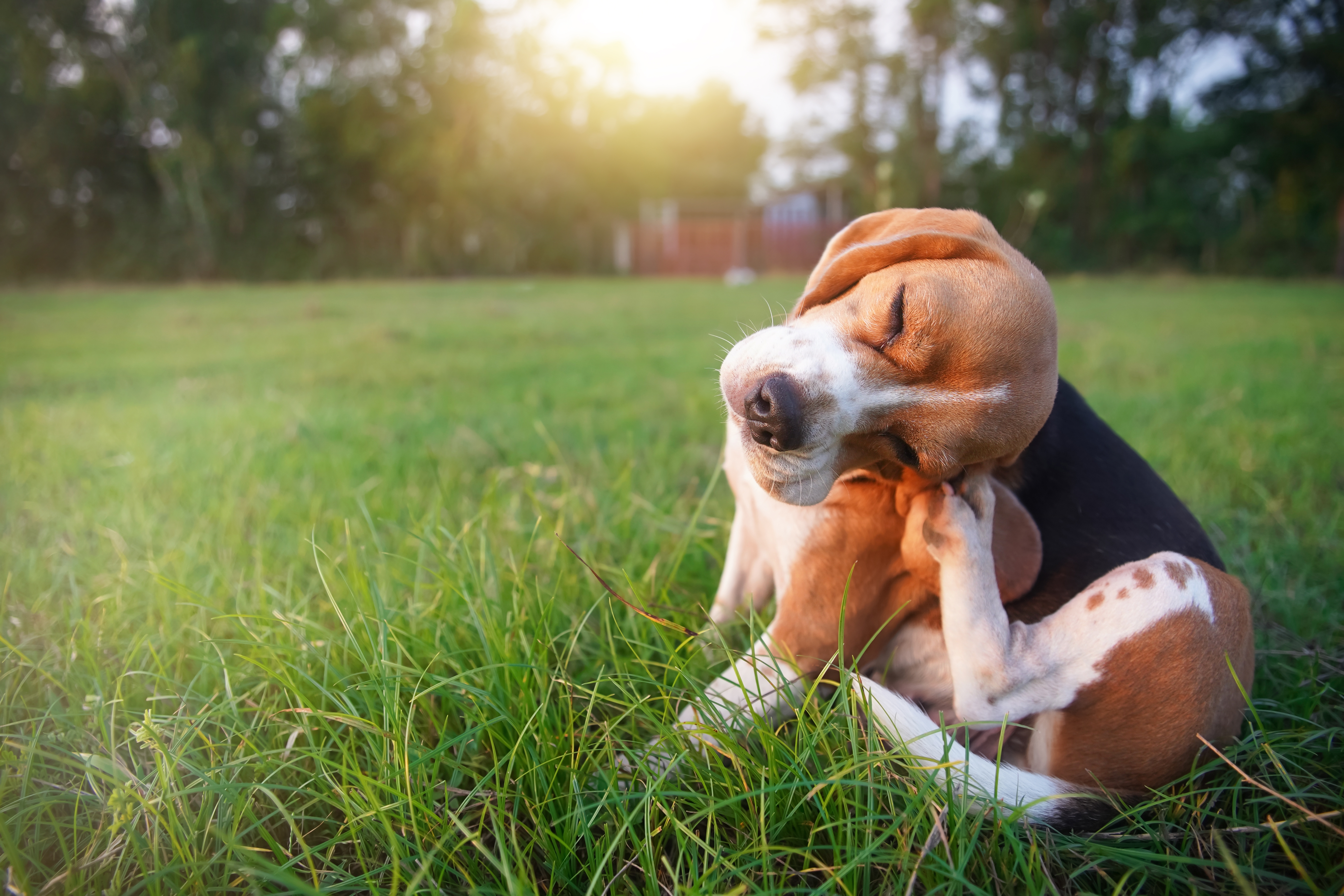
Fall in Brownsville may bring slightly cooler temperatures, but the region's warm, humid climate can still create ideal conditions for fleas and environmental allergens. If your dog is scratching more than usual, licking their paws, or developing irritated skin, seasonal allergies or flea bites could be responsible. Understanding these common triggers can help you protect your dog's skin and prevent ongoing discomfort.
Why Brownsville's Fall Weather Can Trigger Itching
Unlike regions that experience freezing fall temperatures, Brownsville often remains warm enough for fleas to stay active throughout the season. Humidity can also contribute to environmental conditions that support mold growth and other allergens.
Dogs sensitive to grass pollen, weeds, mold, or dust mites may experience increased itching as their exposure changes. Some dogs develop seasonal symptoms, while others struggle with allergies year-round. Because multiple skin conditions can cause similar symptoms, identifying the specific trigger is important for effective treatment.
Flea Allergies vs. Environmental Allergies in Dogs
Fleas are a common cause of excessive scratching in South Texas. Dogs with flea allergy dermatitis can develop intense itching from even a single flea bite. Commonly affected areas include the lower back, tail base, belly, and hind legs.
Environmental allergies, also called atopic dermatitis, may cause itching around the paws, ears, face, and underarms. Dogs may frequently lick their feet, rub their faces against furniture, or develop recurring ear irritation.
Persistent scratching can also damage the skin, increasing the risk of secondary bacterial or yeast infections. If your dog's symptoms continue despite flea prevention, a veterinary examination can help determine whether allergies, parasites, or another condition is responsible.
How to Protect Your Dog From Fall Fleas and Allergies
Managing fall itching in Brownsville starts with consistent prevention and good skin care habits.
• Maintain year-round flea prevention: Use veterinarian-recommended flea control products, even during cooler months.
• Check for fleas regularly: Examine your dog's coat, particularly around the tail base, belly, and hindquarters.
• Wash bedding frequently: Clean pet bedding and vacuum carpets to help reduce fleas and environmental allergens.
• Clean paws after outdoor activities: Gently wipe and dry your dog's paws to remove potential allergens after walks.
• Avoid unnecessary skin products: Human shampoos and medications may irritate your dog's skin or be unsafe without veterinary guidance.
These steps can help reduce exposure to common triggers, but dogs with persistent allergies may need additional treatment.
When Should You See a Veterinarian for Excessive Scratching?
Occasional scratching is normal, but persistent itching should not be ignored. Schedule a veterinary examination if your dog develops noticeable hair loss, red or inflamed skin, sores, unpleasant odors, or frequent ear infections. We can evaluate your dog's symptoms, check for underlying skin conditions, and recommend appropriate treatment options based on their needs.
If your dog is scratching excessively or struggling with fall allergies, contact Boca Chica Animal Hospital & Pet Resort to help your pet find relief. Visit our office in Brownsville, Texas, or call (956) 758-5049 today.


Hours
Monday 7:00 am - 6:00 pm
Tuesday 7:00 am - 8:00 pm
Wednesday 7:00 am - 6:00 pm
Thursday 7:00 am - 6:00 pm
Friday 7:00 am - 6:00 pm
Saturday 8:00 AM - 12:00 PM
Sunday Closed
Starting Tuesday, October 7th, Tuesday hours will be 7:00 am - 8:00 pm.
Monday 7:00 am - 6:00 pm
Tuesday 7:00 am - 8:00 pm
Wednesday 7:00 am - 6:00 pm
Thursday 7:00 am - 6:00 pm
Friday 7:00 am - 6:00 pm
Saturday 8:00 AM - 12:00 PM
Sunday Closed
Starting Tuesday, October 7th, Tuesday hours will be 7:00 am - 8:00 pm.

Powered by: 